Net 30 Payment Terms: What They Mean for Freelancers
What net 30 payment terms mean, how they compare with net 15 and net 60, how to write them on an invoice, and how to chase a client who pays late.
 Jithin Rajiv6 min read
On this page
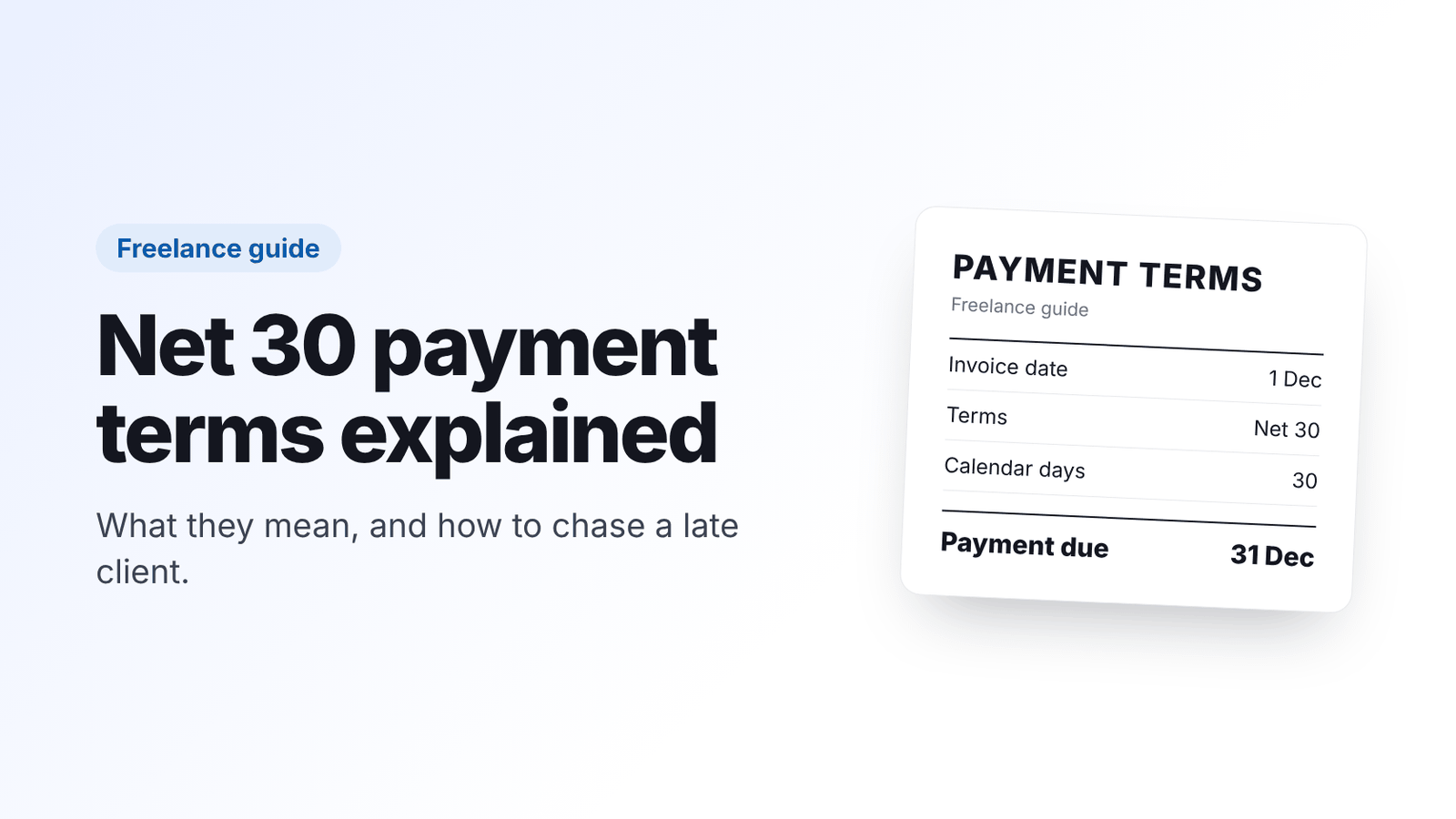
Net 30 payment terms mean the full invoice amount is due 30 days after the invoice date. If you send an invoice on 1 December with net 30 terms, payment is due by 31 December. This guide explains how net 30 works, how it compares with other terms, what to write on your invoice, and what to do when a client pays late.
What does net 30 mean?
"Net" means the full amount, with no discount. "30" is the number of days the client has to pay. So net 30 gives your client up to 30 days to pay the whole invoice.
Net 30 normally counts calendar days, weekends included. Terms are usually counted from the invoice date, not from the day the client opens the email, so say which one you mean. The simplest way is to print the actual due date on the invoice, which my free invoice generator does when you choose your payment terms.
Common payment terms compared
| Term | What it means | Typical use |
|---|---|---|
| Due on receipt | Pay as soon as the invoice arrives | Small jobs, new clients |
| Net 7 or Net 14 | Pay within 7 or 14 days | Freelance projects, retainers |
| Net 30 | Pay within 30 days | Many businesses, agencies |
| Net 60 | Pay within 60 days | Large companies with slow payment cycles |
| 2/10 net 30 | 2% off if paid within 10 days, otherwise full amount in 30 | Offering an early-payment discount |
| Net 30 EOM | Usually 30 days from the end of the invoice month | Clients with monthly payment runs |
If a client mentions "EOM" or "prox", ask exactly how they count the days, because it changes the date you get paid by up to a month.
Which payment terms should a freelancer use?
Shorter terms help your cash flow, and longer terms are easier for the client. A few practical rules I would follow:
- Small projects and new clients: due on receipt or net 14, or ask for a deposit first.
- Established clients and agencies: net 30 is a normal ask, and many companies set it themselves.
- Large companies: they often have fixed terms such as net 45 or net 60. You can ask for shorter terms, but they may not move.
Whatever you choose, agree it before you start work, and put it in your contract or proposal as well as on the invoice.
How to write payment terms on an invoice
Keep the wording plain. For example:
- "Payment due within 30 days of the invoice date."
- "Due 31 December 2026. Net 30."
- "Payment due on receipt. Bank details below."
Put the terms and the due date near the total, where the client will see them, and add how to pay (bank details or a payment link). A clear due date removes most of the arguments about when payment was expected.
What the law says about payment timing
Rules vary a lot, so these are two examples, not advice for your situation.
- New York, USA. Under the Freelance Isn't Free Act, a freelancer working for $800 or more (counting contracts over a 120-day period) must get a written contract, and the contract should say when payment is due. If it does not, payment is due within 30 days of finishing the work.
- United Kingdom. If no payment date is agreed, GOV.UK says payment is late 30 days after the customer receives the invoice or you deliver the service, whichever is later. Under the Late Payment of Commercial Debts (Interest) Act 1998, businesses can charge statutory interest on overdue business invoices, at 8% above the Bank of England base rate. Check GOV.UK for the current rules.
If you work somewhere else, search for your country or state's rules on late payment and freelancer contracts.
Can I charge a late fee?
Often yes, if you agreed it first. The safest way is to put the late fee in your contract or proposal and repeat it on the invoice, for example "A late fee of 1.5% per month applies to balances not paid by the due date." A fee that you never mentioned before the work can be hard to collect.
Keep it reasonable, and use it mainly as a reason to pay on time. The invoice generator has a late-fee field that adds this line for you. Rules on what is allowed differ by place, so check yours.
How to ask a client for payment politely
Most late payments are forgotten, not refused. Start friendly and get firmer only if you need to.
- The day after the due date: send a short reminder with the invoice attached.
- About a week later: follow up, mention the invoice number and amount, and ask for a payment date.
- About two weeks later: call or send a firmer note that mentions your late-fee terms, if you have them.
- After that: pause new work, and look at your options, such as a formal letter or a small claims route where you live.
A simple first message you can copy:
Hi [Name], I hope you are well. A quick reminder that invoice [number] for [amount] was due on [date]. I have attached it again. Could you let me know when I can expect payment? Thank you.
Keep a record of each message with the date. If you need to escalate, that record helps.
How to get paid faster
- Invoice straight away when you deliver, not at the end of the month.
- Ask for a deposit on larger projects, and bill the rest at milestones.
- Make paying easy by putting the payment method on the invoice.
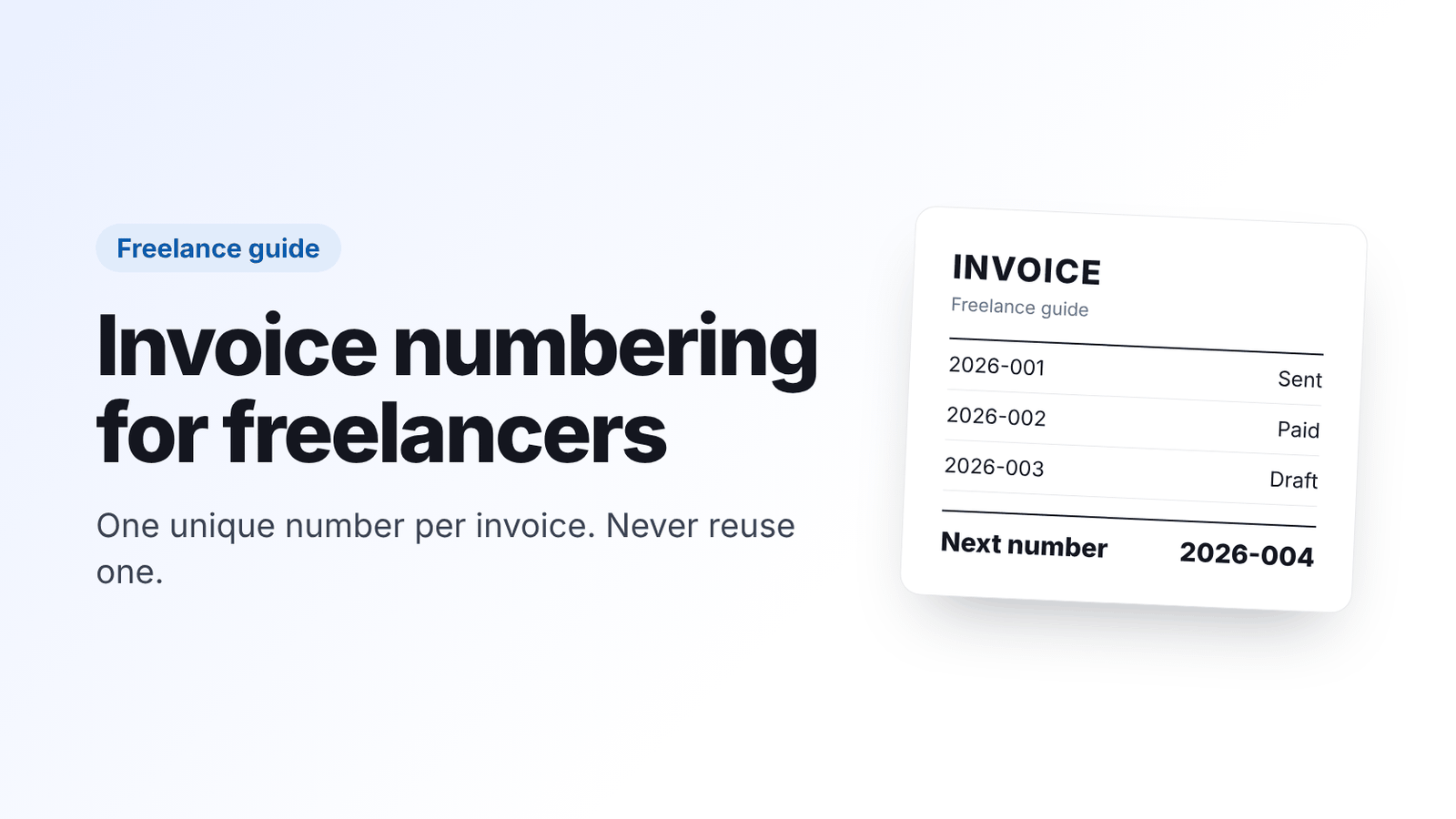
- Use a clear invoice number so your client's finance team can find it. My guide to invoice numbering shows a simple system.
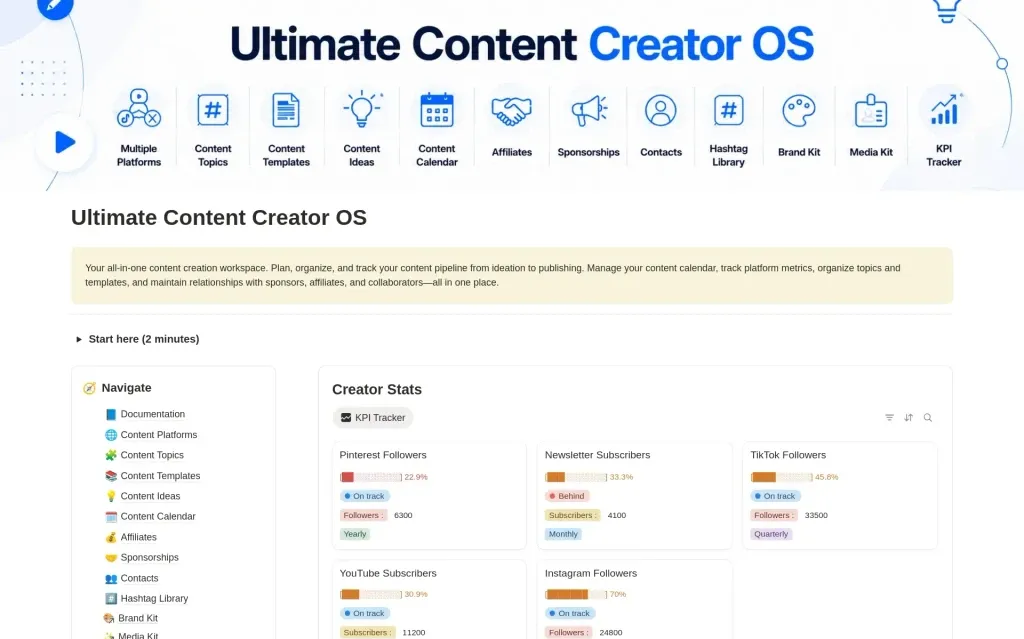
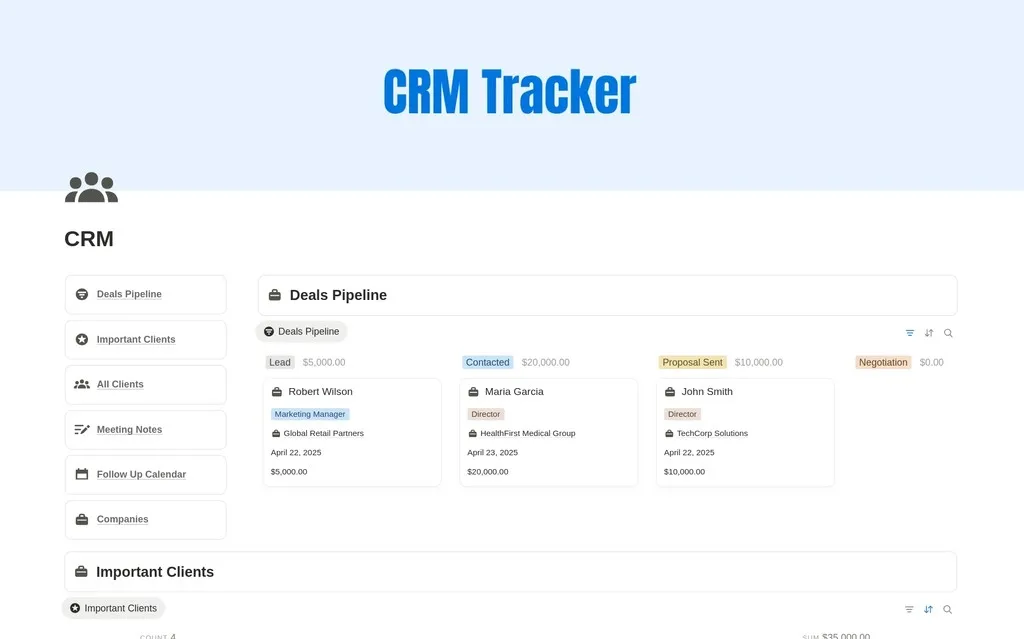
- Track who owes you what. A CRM Tracker in Notion keeps client details and follow-up dates together, so a late invoice does not slip through.
 Marketing$8.40
Slow payers also hurt your cash flow. If you are planning around late payments, the 2026 Expense Tracker helps you see what you spend each month, so you know how long you can wait.
Common questions
Is net 30 the same as 30 days? Basically yes. Net 30 means the full amount is due in 30 days, usually counted from the invoice date.
What is the difference between net 15 and net 30? Only the length of time. Net 15 gives the client 15 days to pay, and net 30 gives them 30. Shorter terms mean you are paid sooner.
Does net 30 include weekends? Normally yes, because it counts calendar days. If the due date falls on a weekend, say in your terms whether you expect payment before or after it.
Should I offer an early-payment discount? It can speed up payment, but it also reduces what you earn. A term such as 2/10 net 30 gives 2% off for paying within 10 days. Only offer it if your margin can take it.
Next step
Decide your default terms today, add them to your contract template, and put the due date on every invoice. When you are ready, create your next invoice with the free invoice generator, set the payment terms and download it as a PDF.
I am not a lawyer or an accountant. This guide is general information, so check the rules where you work or ask a professional if you are unsure.
Written by
Jithin Rajiv
Practical templates, free widgets, and useful guides for a workspace that works for you.